Google Pixel Tag - A Minimalist Bluetooth Tracker Backed by a Billion Android Devices
AirTags and Galaxy SmartTags are familiar territory, but it caught my eye that Google finally rolled out its own tracker. Running on the Find Hub network — powered by a billion Android devices — it might actually have an edge when it comes to location-finding coverage.
📊 Quick Info
| Item | Details |
|---|---|
| Brand | Google (USA) |
| Price | $29 (single) / $99 (4-pack) |
| How it works | Location tracking via the Find Hub network, waterproof |
| Battery | Up to 1 year |
| One-line take | ⭐⭐⭐⭐☆ A tracker that leans on the sheer scale of the Android ecosystem |
✨ 3-Line Summary
- 👍 Best thing about it: A minimal form factor about the size of a keychain fob, backed by a billion-device Find Hub network
- 👎 What's less great: Not much appeal for iPhone users (it's an Android-ecosystem-only play)
- 🎯 Who it's for: Android users who constantly misplace their keys or wallet
📸 Product Gallery
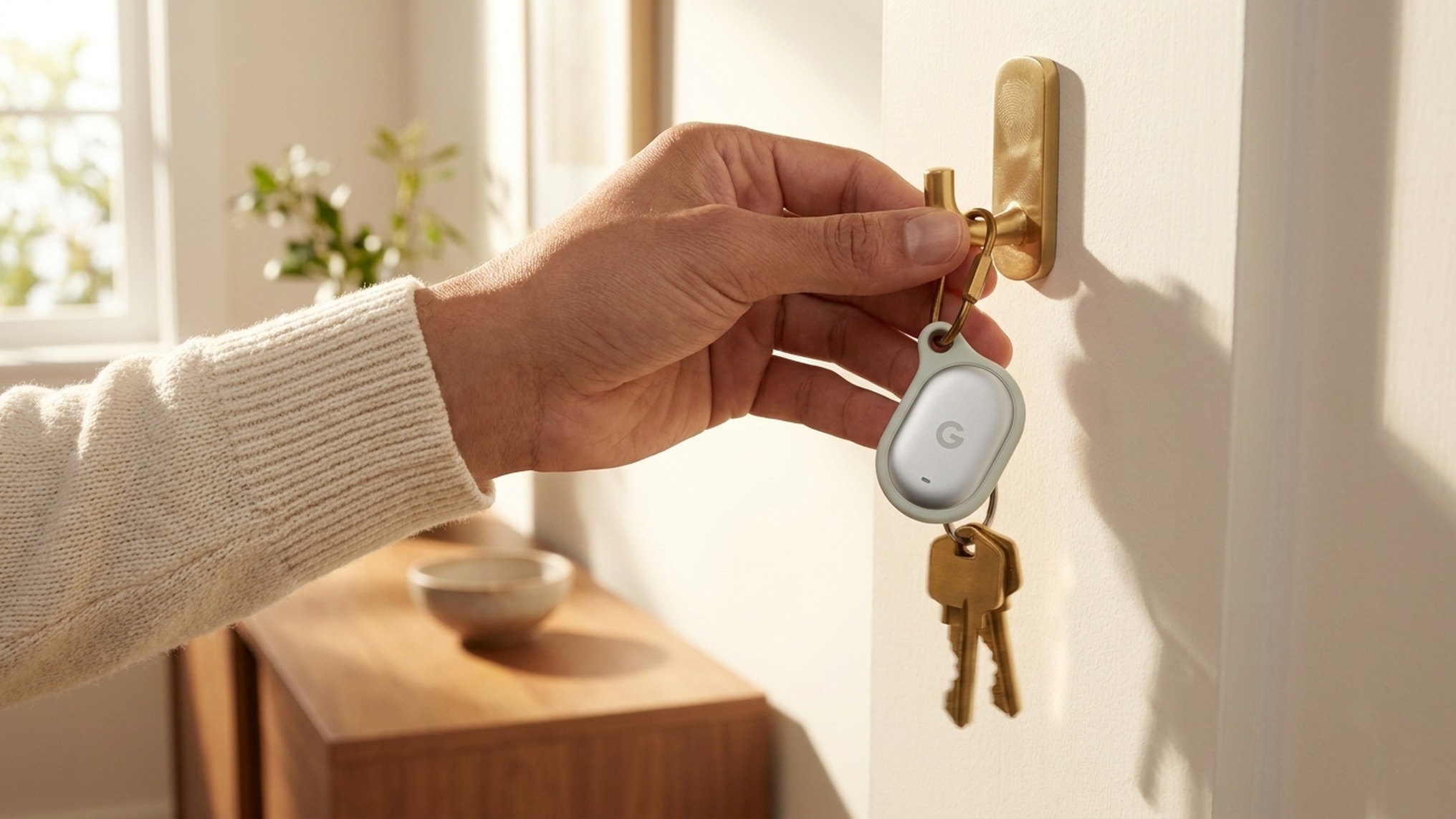
A real-world shot hanging from the front door keychain. It barely takes up any space even on a palm-sized tray
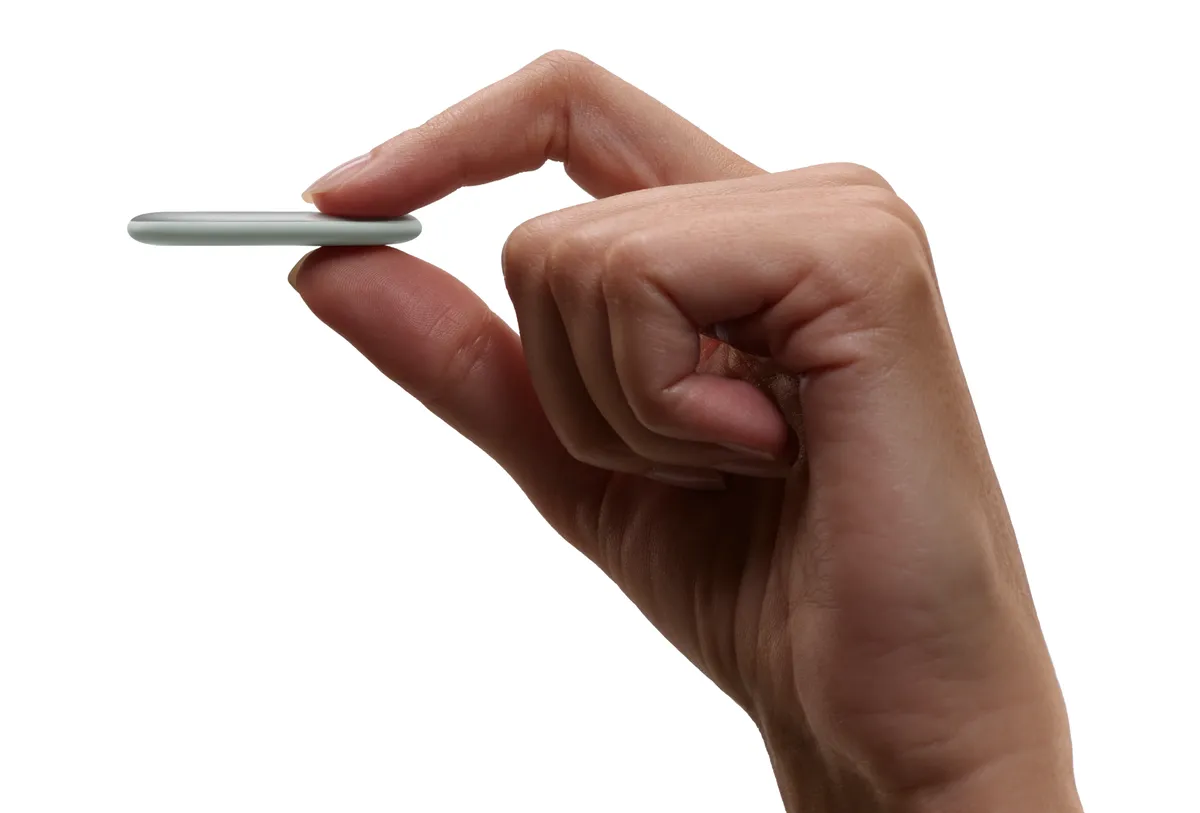
Thin enough at the side profile to pinch between two fingers
Placed next to a cardholder wallet for a size comparison — about the size of a coin
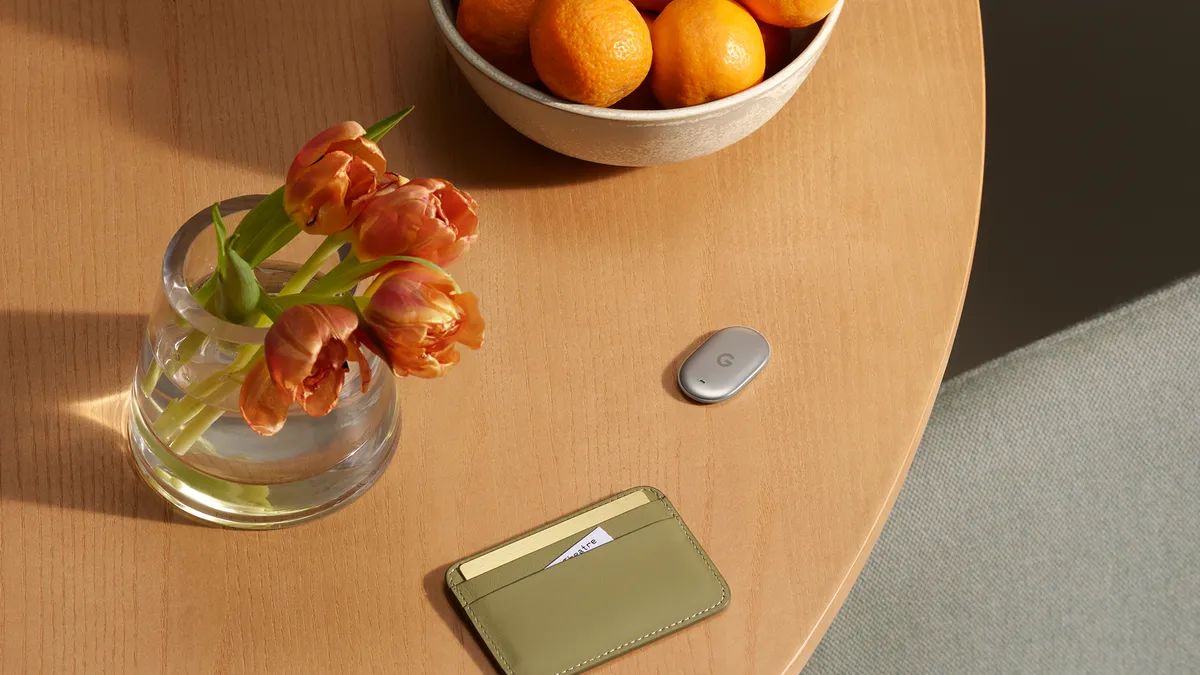
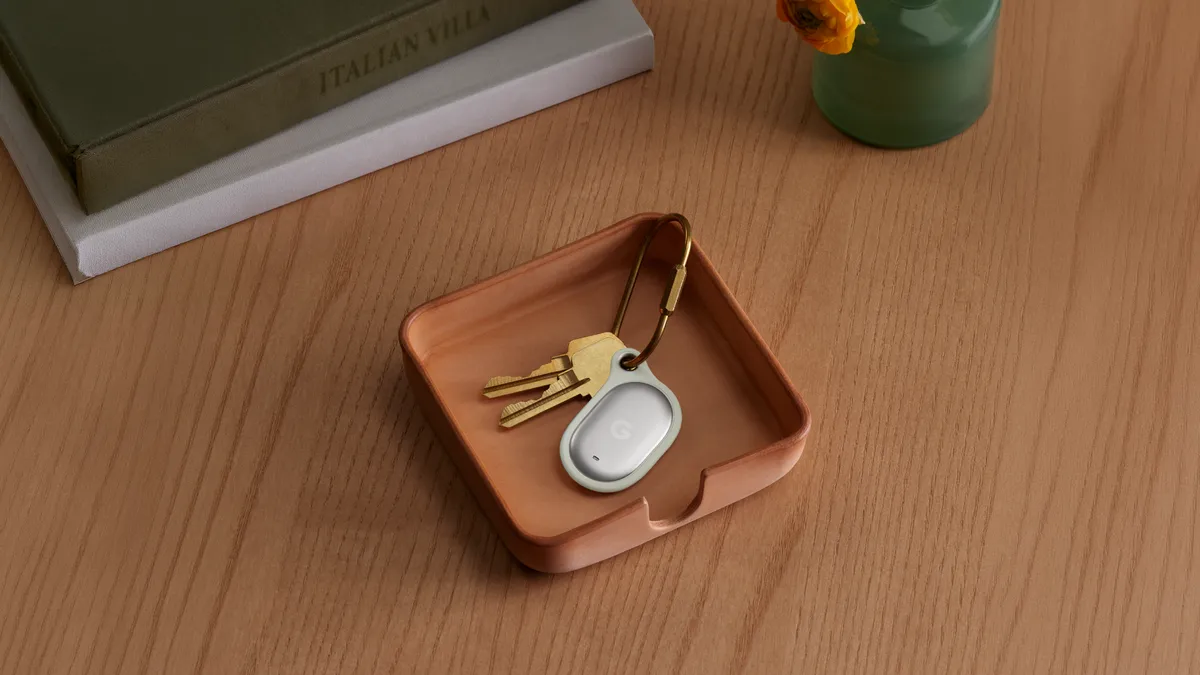
Sitting on a table. Apparently it's launching in a range of colors
🔍 Why I'm Interested
The size is genuinely keychain-level
It's compact enough to clip onto a wallet or bag without adding any bulk, and it feels more minimal than trackers I've used before. Sticking one on everything I carry daily shouldn't feel like extra clutter.
The scale of the Find Hub network
With a billion Android devices participating in location detection, finding a lost item in a city should be pretty fast. It's essentially Google's own take on the same concept as Apple's Find My network, built at Google's own scale.
A one-year battery keeps the hassle low
It's not something you have to keep swapping out — stick it on once and you can forget about it for a year, which makes it appealing as an EDC item.
🤔 Points to Consider
Android-ecosystem-only
Since the Find Hub network itself runs on Android, sharing locations with iPhone-using family or friends could be tricky. Like AirTags for iPhone users, this loses its appeal for people on Android.
Official domestic launch unconfirmed
I've only checked the US official store pricing — the domestic release timing and pricing still need to be confirmed separately.
Battery replacement method unconfirmed
Whether it's replaceable or sealed once the one-year battery life runs out needs further confirmation from the official specs.
📋 Product Ratings (Subjective)
- Design: ⭐⭐⭐⭐☆
- Portability: ⭐⭐⭐⭐⭐
- Practicality: ⭐⭐⭐⭐☆
- Value for Money: ⭐⭐⭐⭐☆
🛒 Before You Buy
✅ Recommended for
- Android users who often lose their keys or wallet
- Anyone looking for a minimalist EDC tracker
- Those already in the Pixel ecosystem
❌ Not recommended for
- People who primarily use an iPhone (no benefit from the Find Hub network)
- Anyone already invested in AirTags or SmartTags who doesn't want another purchase
🎯 Final Verdict
I figured AirTags already had the tracker market locked down, so it was interesting to see Google come in leveraging the scale of its own network. Size, battery, and price all feel like they landed in a reasonable spot.
For Android users, this looks like a solid option to stick on keys, bags, bikes, and the like. That said, if you're in a mixed environment with iPhones around, there's not much reason to pick this one specifically.
Source: Gadget Flow Product Page
Related posts
Q8botOne - A $599 Desk Robot Dog You Assemble Like LEGO Technic
Garmin Enduro 4 · Approach S72 - New Watches That Last Up to 320 Hours on a Single Charge

Edifier Hecate G2000 Bar - A Gaming Soundbar That Handles Voice Chat Without a Headset