Pocketbyte — The Modular, Open-Source PDA Nobody Knew They Still Wanted
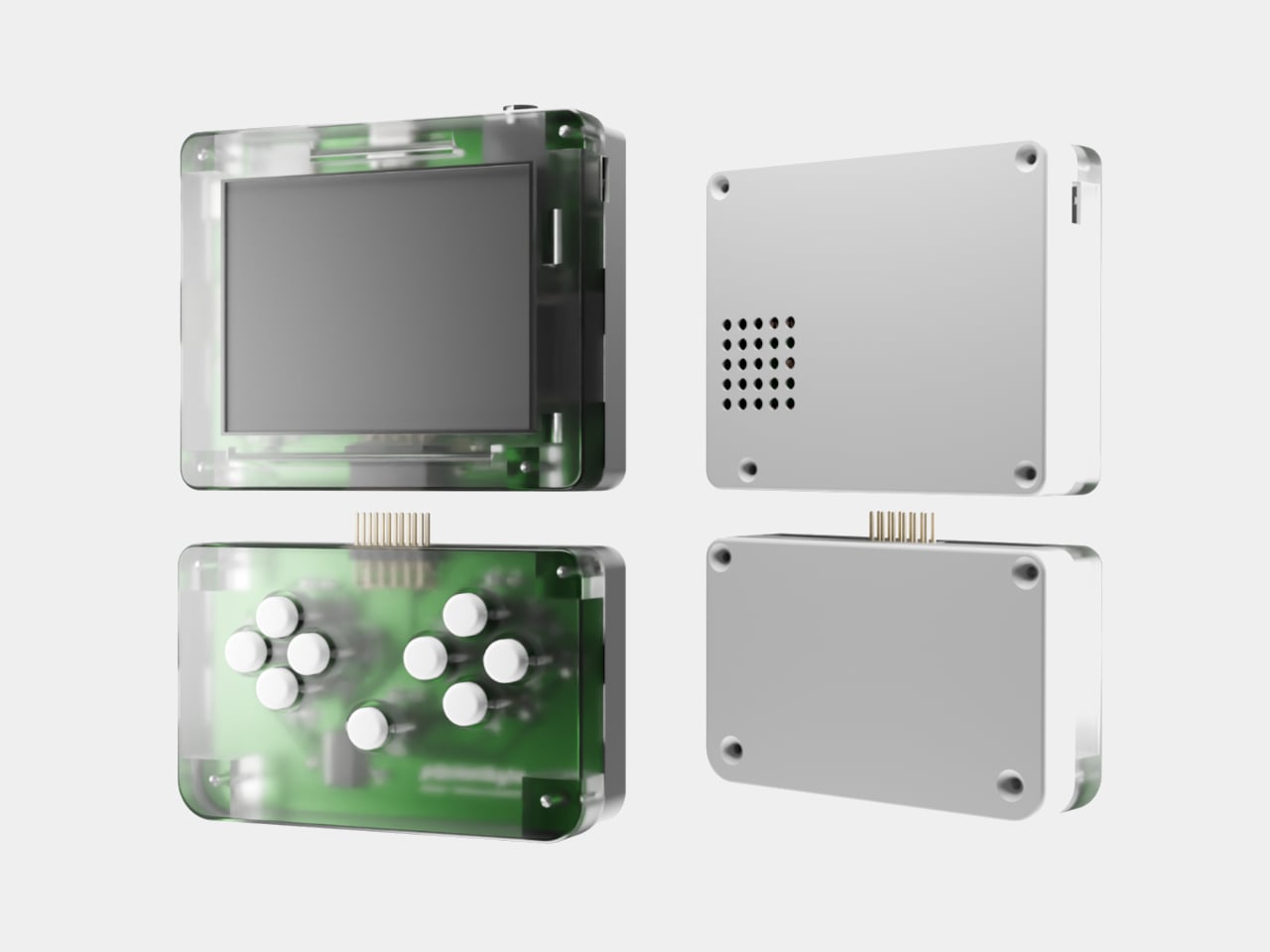
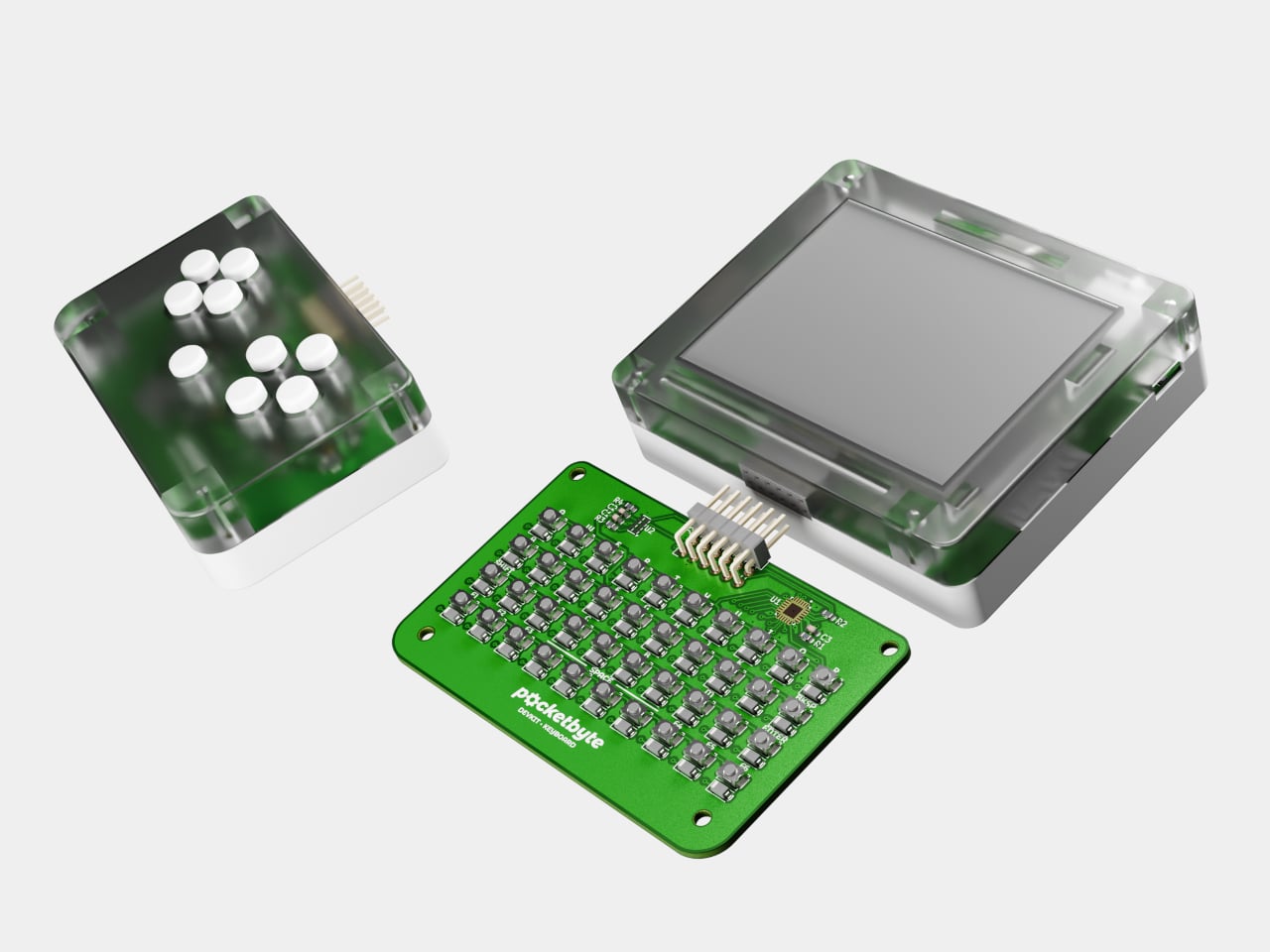
The moment I saw the transparent green acrylic shell packed with tightly arranged physical buttons, that old PDA and Game Boy nostalgia hit me instantly. But what made it more interesting is that this isn't just a retro design homage — it's an actual open-source modular device running Linux.
📊 Quick Info
| Item | Details |
|---|---|
| Brand | Pocketbyte (open-source hardware project) |
| Price | TBD |
| Material/Specs | Transparent acrylic housing, swappable button modules, Linux-based |
| Key Feature | Modular design lets you customize the button and board layout, open-source firmware |
| One-line verdict | ⭐⭐⭐⭐☆ An experiment reviving the PDA-era philosophy of "a device that does one thing well" |
✨ 3-Line Summary
- 👍 Best thing about it: Being open source, you have the freedom to tinker with both the hardware and firmware yourself
- 👎 What's lacking: Since it's a community project rather than a mass-produced product, build quality and support are uncertain
- 🎯 Who it's for: Makers and developers looking to escape smartphone fatigue with a minimal, single-purpose device
📸 Product Gallery
Four-panel render — the transparent green top and matte silver bottom give it two completely different faces
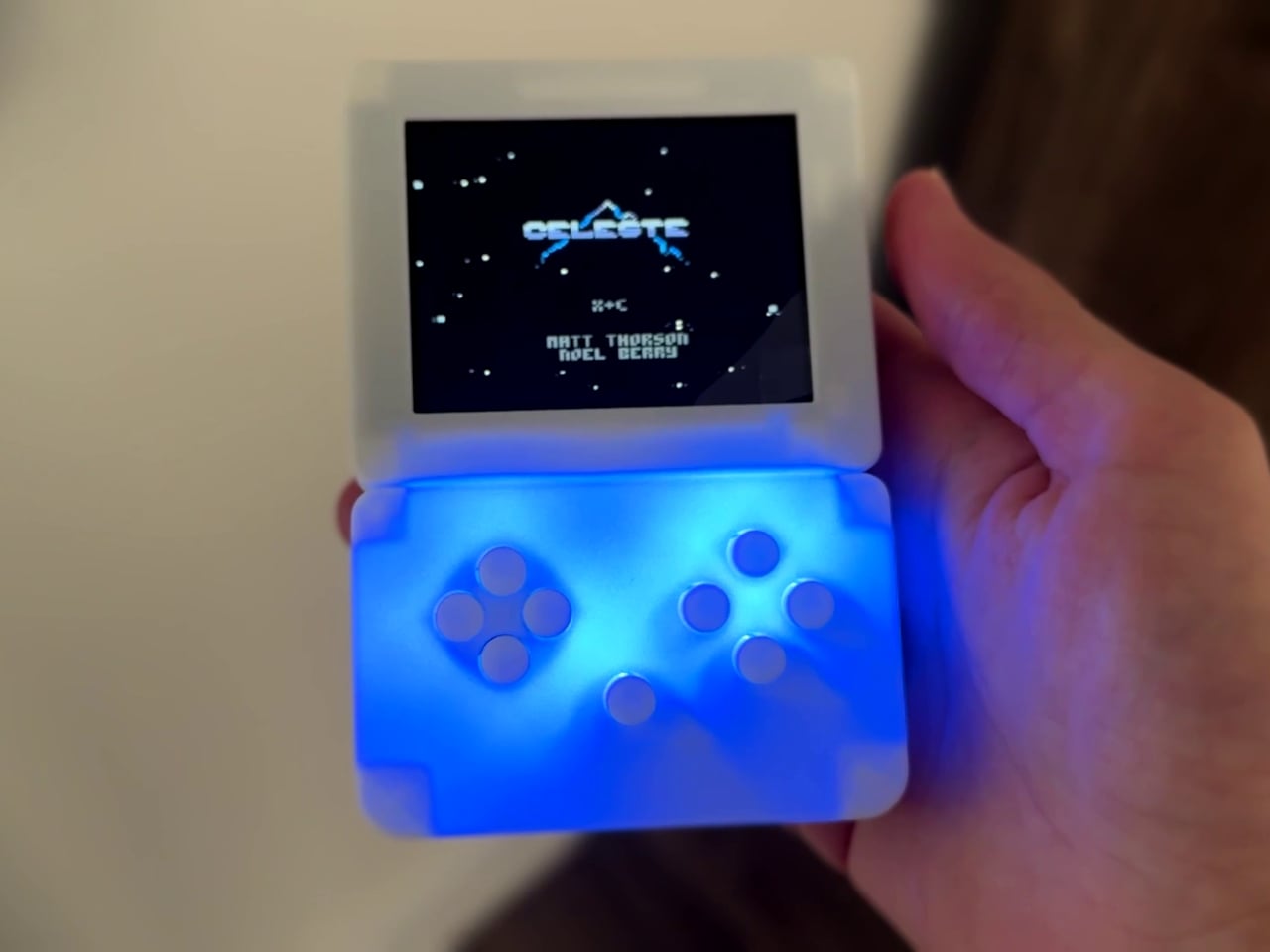
A clicky physical button cluster, with the translucent case revealing the board underneath
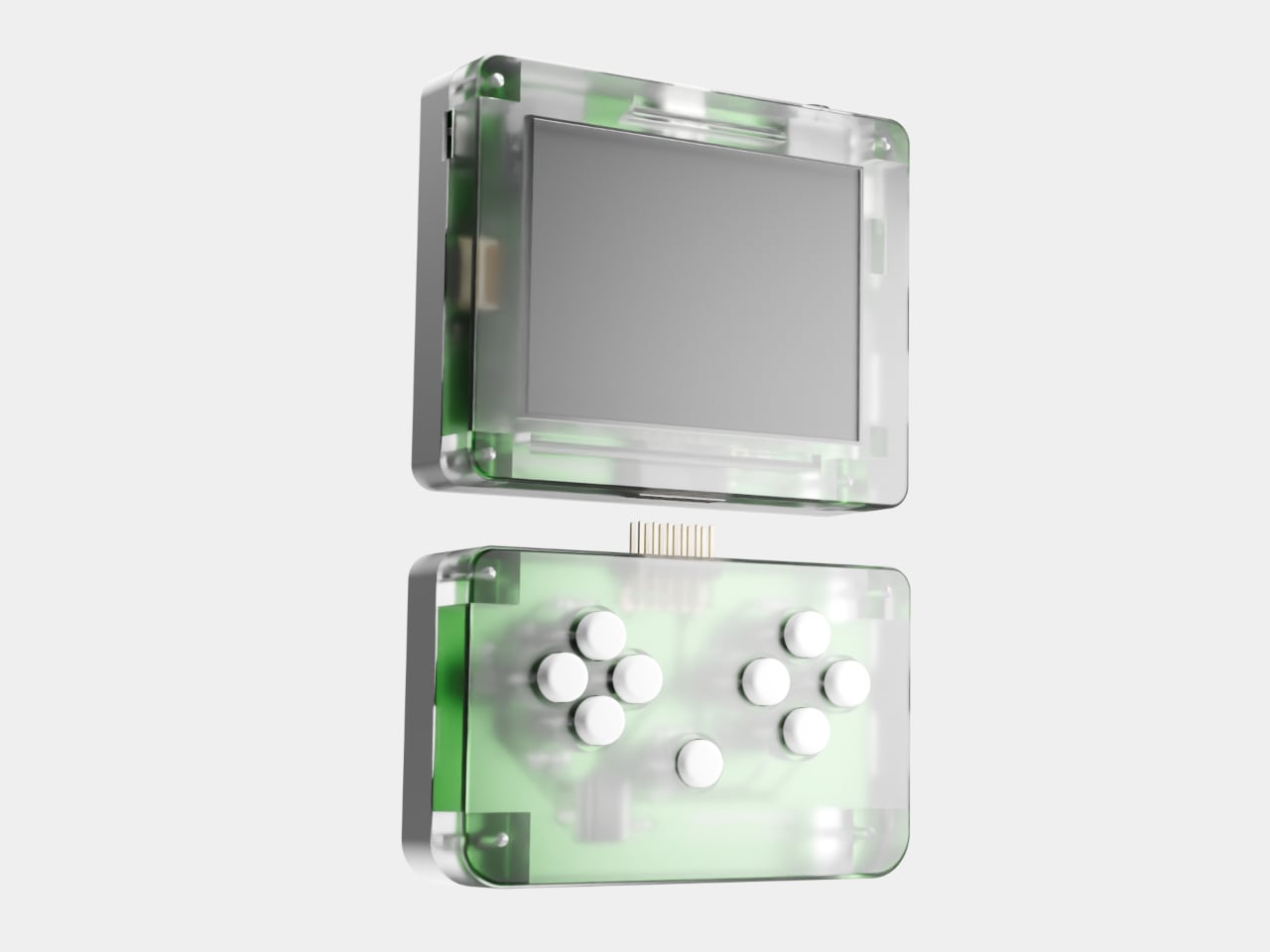
The top expansion pin header — this is where the swappable-module structure becomes visible
A size that fits comfortably in one hand
🔍 Why I'm interested
Rethinking why the PDA disappeared
I really related to the idea that when PDAs got absorbed into smartphones, what disappeared wasn't just a product category — it was the experience of "a device focused on doing one thing." A device with no notifications, no feeds, just the task at hand — that's exactly the reason people are drawn to minimalist gear these days.
The freedom to open it up
Being open-source hardware, opening the housing reveals the board directly, and it looks like you can tinker with the button modules or firmware yourself. Rather than just using a finished product as-is, being able to get hands-on with it adds a whole extra layer of fun as an EDC item.
The appeal of the transparent case
The visual of the green board peeking through the tinted green acrylic is simply beautiful. This kind of "show it off" design is rare in functional gear, which is why it caught my eye.
🤔 Things to consider
The limits of a community project
Since this isn't an official mass-produced product but open-source community hardware, it's hard to judge the actual build quality or assembly difficulty from photos alone. I should probably brace for the small quirks typical of an early batch.
Real-world usability is still unclear
I'd need to check the official specs on display resolution, battery life, and how developed the software ecosystem actually is. "Fun to build" and "a tool you use every day" are two very different things.
📋 Product Features (subjective rating)
- Design: ⭐⭐⭐⭐⭐
- Portability: ⭐⭐⭐⭐☆
- Practicality: ⭐⭐⭐☆☆
- Value for money: ⭐⭐⭐☆☆ (price not yet confirmed)
🛒 Before You Buy
✅ Recommended for
- Makers who want to assemble and modify open-source hardware themselves
- Anyone looking for a minimal device to escape smartphone notification fatigue
- Anyone wanting to relive that retro PDA feeling
❌ Not recommended for
- Those who want a polished, mass-produced product
- Those who want to use it right out of the box without any assembly or setup
🎯 Final Verdict
Pocketbyte feels less like a finished product and more like an open-source project driven by the desire to "build something like this again." So if you're expecting a polished consumer good, you might be disappointed — but for anyone who enjoys the process of assembling and customizing it themselves, it's a pretty compelling piece of gear.
Just the sight of the board through the transparent acrylic case makes me want to have it sitting on my desk, and more than anything, the concept of a "notification-free, single-purpose device" fits my current taste really well. That said, the real-world specs and community build quality are things I definitely need to check before launch, so for now I'm at the "want to keep watching this" stage.
Source: Yanko Design product page
Related posts
Q8botOne - A $599 Desk Robot Dog You Assemble Like LEGO Technic
Garmin Enduro 4 · Approach S72 - New Watches That Last Up to 320 Hours on a Single Charge
Edifier Hecate G2000 Bar - A Gaming Soundbar That Handles Voice Chat Without a Headset